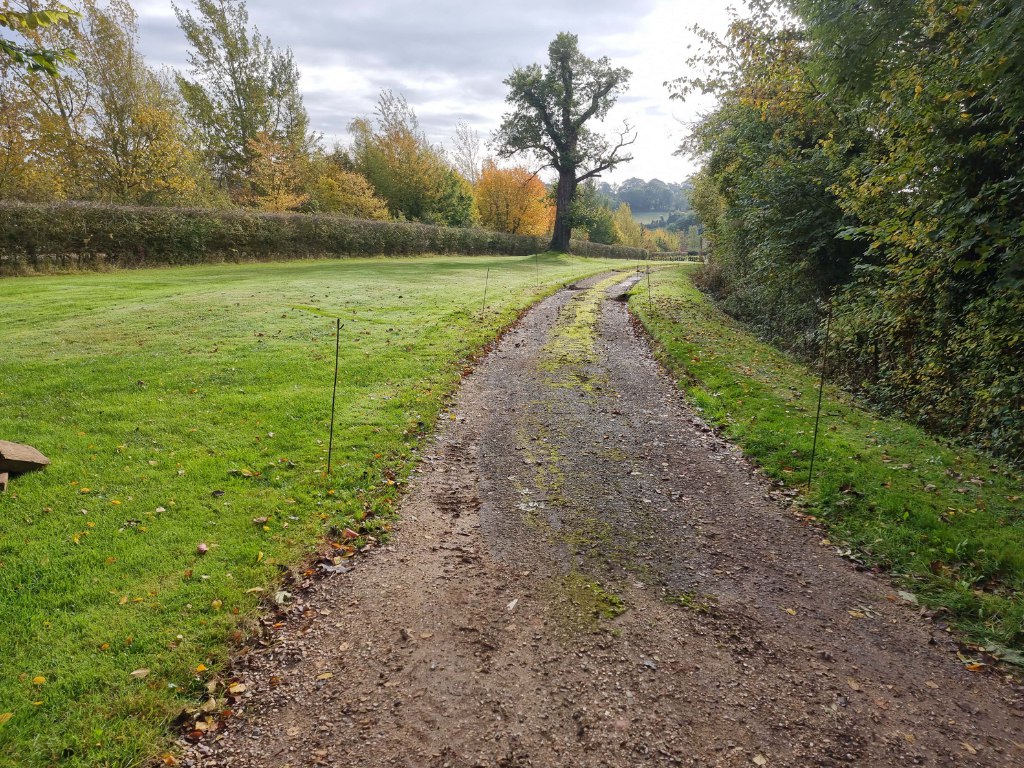
When Is It Time to Have an Ageing Driveway Professionally Assessed?
A well-constructed driveway is designed to cope with regular vehicle movements, changing weather conditions and everyday use for many years. However, no driveway surface remains unchanged indefinitely. Gradual wear can affect its appearance, drainage, stability and overall performance, sometimes developing so slowly that homeowners become accustomed to the changes.
For property owners in Hindhead, Surrey, having an ageing driveway professionally assessed can help establish whether deterioration is mainly superficial or whether problems are developing within the surface or supporting layers. The most useful time for an assessment is often before defects become severe, when there may still be practical options for addressing individual areas and maintaining the driveway’s performance.
Recognising When an Older Driveway Needs Professional Attention
The age of a driveway alone does not determine its condition. Two driveways installed at a similar time can perform very differently depending on construction, materials, drainage, ground conditions and the amount of traffic they receive.
Instead of relying on age, it is more useful to consider how the driveway is changing. Cracking, movement, standing water and surface deterioration can provide important clues about what is happening beneath and across the finished surface.
A professional assessment brings these signs together and helps identify whether they are isolated defects or part of a wider pattern.
Cracks Are Becoming More Noticeable
Small cracks can develop in certain driveway surfaces over time. What matters is whether those cracks remain limited or continue to grow.
Cracking deserves closer attention when it becomes longer, wider or begins appearing in several areas. A network of defects can indicate that movement or deterioration is affecting more than the immediate surface.
Simply treating the visible crack without understanding why it developed may not provide a lasting solution.
A professional assessment can consider the location and pattern of cracking alongside the surrounding surface to determine what type of attention may be appropriate.
Sections of the Driveway Have Started Sinking
A driveway should provide a reasonably consistent surface. If individual sections begin sinking or developing noticeable depressions, the problem may relate to the supporting layers beneath.
Low areas can make the driveway uncomfortable to use and may also change how water moves across the surface.
Where settlement is confined to one location, targeted work may sometimes be possible. More extensive movement, however, can suggest that a broader section needs investigation.
Assessing the extent of settlement helps determine whether the issue is localised or connected to the driveway’s underlying construction.
Standing Water Has Started Appearing
Changes in drainage are one of the clearest signs that an ageing driveway may benefit from assessment.
A driveway that previously shed water effectively but now develops puddles may have experienced settlement, surface deformation or deterioration that has altered its levels.
Repeated standing water can also place additional stress on vulnerable areas of the surface.
Rather than considering puddles purely an inconvenience, it is worth establishing why water is no longer draining as intended. Correcting the cause can be more effective than repeatedly dealing with the symptoms.
The Surface Is Breaking Up
Surface deterioration can appear in several forms depending on the type of driveway.
Loose material, crumbling edges, worn patches or areas where the finished surface is beginning to break apart can all indicate that the driveway is losing some of its original integrity.
A small isolated area may require relatively limited attention. When similar deterioration appears throughout the driveway, it becomes more important to assess the overall condition.
Understanding the depth and extent of the deterioration can help establish whether surface-level work is sufficient or whether the supporting layers also need consideration.
Edges Are Becoming Weak or Uneven
Driveway edges can sometimes show deterioration before the central areas.
Repeated vehicle movements near an unsupported edge, ground movement or gradual loss of surrounding support can allow the surface to crack, crumble or become uneven.
Once edges begin failing, deterioration can gradually work further into the driveway if the underlying cause remains.
Professional assessment can identify why the edge has become unstable and determine how it relates to the condition of the adjoining surface.
Block Paving Has Become Uneven
On block paved driveways, individual blocks can sometimes settle or move over time.
A small amount of isolated movement does not necessarily mean the whole driveway has failed. However, widespread unevenness, repeated sinking or noticeable changes in levels can suggest that the bedding or supporting layers require attention.
Movement can also affect how comfortably vehicles and pedestrians use the surface and how efficiently rainwater drains.
Assessing the pattern of movement helps determine whether selected sections can be corrected or whether a wider area requires attention.
Previous Repairs Are No Longer Solving the Problem
The repair history of an ageing driveway can provide valuable information.
An occasional localised repair can be perfectly reasonable where the rest of the surface remains sound. However, if new defects continue developing close to previous repairs or different parts of the driveway repeatedly require attention, it may be time to consider the overall condition.
A professional assessment can establish whether the repairs are addressing unrelated defects or whether they are symptoms of a wider deterioration pattern.
This can help avoid repeatedly treating individual areas without understanding why problems continue to develop.
The Driveway No Longer Feels Consistent Under Use
Changes are not always purely visual.
Drivers may begin noticing dips, raised sections or uneven transitions when entering, leaving or manoeuvring on the driveway. Pedestrian areas can also become less comfortable where the surface has moved.
These gradual changes are easy to overlook because they may develop over several years.
If the driveway no longer feels as level or consistent as it once did, an assessment can help determine what has changed and whether intervention would improve its performance.
Drainage and Surface Condition Should Be Considered Together
Surface deterioration and drainage problems are often connected.
If a driveway develops low spots, water may begin collecting in areas that previously remained clear. Continued exposure to standing water can then contribute to further deterioration in already vulnerable sections.
For this reason, improving the visible surface without considering drainage may leave an important part of the problem unresolved.
A thorough assessment should consider levels, water movement and surface condition together so that any proposed work addresses how the driveway functions as a whole.
Increasing Vehicle Use Can Expose Existing Weaknesses
The way a driveway is used can change considerably over its lifetime.
A driveway originally used by one vehicle may later accommodate several cars or experience more frequent daily movements. Repeated loading and manoeuvring can place greater demands on areas that have already experienced years of use.
An ageing driveway may therefore begin showing deterioration even though there has been no single obvious cause.
Understanding current usage is useful when assessing the condition of the surface and deciding what type of improvement would provide dependable performance.
Appearance Can Reveal More Than General Ageing
Fading or general weathering is expected as driveway materials mature, but changes in appearance can sometimes reveal more significant problems.
Different sections may begin showing noticeably different levels, cracking patterns or areas of surface breakdown. Vegetation repeatedly establishing through particular defects can also draw attention to openings that have developed over time.
Rather than focusing only on whether an older driveway looks tired, it is useful to identify whether visual changes correspond with physical deterioration.
This distinction helps determine whether the issue is primarily cosmetic or whether the driveway’s performance is being affected.
Why Early Assessment Can Be Useful
You do not need to wait until an ageing driveway becomes difficult to use before having it assessed.
Earlier investigation can provide a clearer understanding of developing problems while deterioration is still relatively limited. It can identify which sections remain sound, which areas require attention and whether drainage or underlying movement is contributing to visible defects.
This allows work to be based on the actual condition of the driveway rather than waiting until several problems have developed at the same time.
The aim is not to recommend unnecessary work, but to understand what the surface genuinely requires.
Does an Older Driveway Always Need Replacing?
No. An older driveway should not automatically be replaced simply because it has reached a certain age.
If the majority of the surface and underlying construction remain stable, individual areas may be suitable for targeted attention. Conversely, where cracking, settlement, drainage problems and surface deterioration have become widespread, repeatedly addressing isolated defects may provide limited benefit.
The appropriate solution depends on the type, extent and cause of the deterioration.
A professional assessment is therefore particularly valuable when homeowners are unsure whether continued maintenance remains sensible or whether a more comprehensive improvement should be considered.
What Should a Professional Driveway Assessment Consider?
A useful assessment should look beyond the most obvious damaged area.
It should consider:
- The general condition of the driveway surface
- The location and pattern of cracks
- Signs of settlement or movement
- Areas where water collects
- The condition of edges and boundaries
- Previous repairs and how they are performing
- Whether deterioration is isolated or widespread
- How the driveway is currently being used
Bringing these factors together provides a much clearer picture of how well the driveway is performing and what may be required to restore it.
Professional Assessment Helps You Make an Informed Decision
An ageing driveway can develop several small changes without necessarily requiring extensive work. Equally, apparently minor defects can sometimes be connected to underlying movement or drainage problems that deserve closer attention.
At NS Driveways Hindhead, we assess driveways in Hindhead, Surrey by considering the condition of the complete surface rather than focusing solely on the most obvious defect. This helps establish which areas remain serviceable and what work, if any, would provide an appropriate long-term solution.
Professional assessment removes much of the uncertainty and allows decisions to be based on the actual condition and performance of the driveway.
Conclusion
It is worth having an ageing driveway professionally assessed when cracks are spreading, sections are sinking, drainage has changed, the surface is breaking up or previous repairs are becoming increasingly frequent. These signs can indicate anything from isolated wear to more widespread deterioration, and understanding the difference is important before deciding what to do next.
Age alone does not determine whether a driveway needs substantial work. Its surface condition, stability, drainage and supporting construction provide far more useful information.
If your driveway in Hindhead, Surrey is beginning to show signs of deterioration, contact NS Driveways Hindhead. We can assess its current condition and recommend a suitable approach based on what the driveway genuinely needs.
Call us on: 01428 771 293
Click here to find out more about NS Driveways Hindhead
Click here to complete our contact form and see how we can help with your driveway needs.