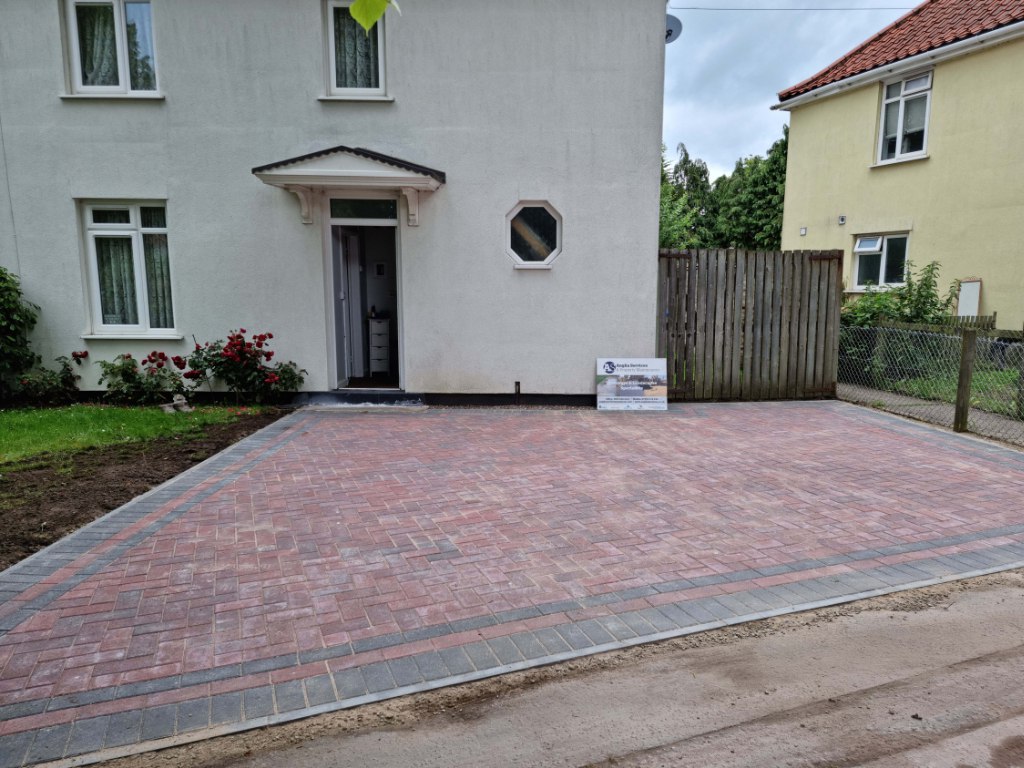
Why Is Tar and Chip Popular for Large Driveway Areas?
Large driveways need a surface that can create a consistent finish across a substantial area while remaining practical for regular vehicle movements. Tar and chip is a popular option because it combines a durable bitumen binder with natural stone aggregate, producing a textured surface that works particularly well for long or wide entrances.
The quality of the finished driveway depends on more than the surface materials alone. Ground preparation, drainage, edge support and careful application all influence how effectively the driveway performs. For property owners in Hindhead, Surrey, a professional assessment can determine whether tar and chip is suitable for the site.
Why Tar and Chip Suits Large Driveways
Tar and chip, sometimes called surface dressing, is created by applying a bituminous binder to a properly prepared base before spreading stone chippings across it. The aggregate is then rolled into the binder to form a stable, textured covering.
It Creates a Consistent Surface Across Wide Areas
A large driveway can look disjointed if its surface contains numerous joins, mismatched repairs or changes in texture. Tar and chip can cover broad sections with a visually consistent layer of stone.
Careful aggregate distribution is essential. Uneven spreading can leave areas with insufficient stone coverage or excessive loose chippings. Professional installation helps achieve a more uniform finish across the full driveway.
The Surface Has a Natural Appearance
The exposed stone chippings give tar and chip a less formal appearance than a smooth black surface. This can help a substantial driveway sit comfortably within its surroundings rather than becoming the dominant feature of the property entrance.
Aggregate can be selected to complement the property and immediate setting. The size and type of stone must also be appropriate for the intended traffic and surface requirements.
Its Texture Provides Useful Grip
The stone finish creates a textured surface that can provide good traction for vehicles and pedestrians. This can be particularly useful on long entrances, turning areas and gently sloping sections.
Correct installation remains important on gradients. The condition of the base, expected traffic and direction of surface water should all be considered before work begins.
It Is Suitable for Long and Wide Layouts
Large driveways often include more than a straight access route. They may contain wider entrances, parking areas, turning spaces and connections to outbuildings.
Tar and chip can be applied across these varied sections to create a joined-up surface. A well-planned layout can make vehicle movements easier while maintaining a consistent appearance throughout the property.
It Can Be Applied Over a Suitable Existing Base
In some circumstances, tar and chip can be installed over an existing surface that remains stable and correctly shaped. This can provide a renewed finish without unnecessarily disturbing sound supporting layers.
However, it should not be used to conceal significant structural problems. Cracks, potholes, movement and poor drainage must be addressed first, otherwise defects beneath the surface may affect the new covering.
Good Preparation Supports Long-Term Performance
The base carries the weight of vehicles and provides stability beneath the finished surface. Tar and chip cannot compensate for soft ground, inadequate compaction or areas that move under load.
Preparation may involve:
- Removing weak or unsuitable material
- Repairing cracks and potholes
- Reshaping uneven sections
- Compacting the supporting layers
- Establishing suitable falls for drainage
- Installing firm edges where required
The exact preparation will depend on the existing surface and how the driveway will be used.
Drainage Can Be Planned Across the Whole Area
A larger driveway collects a considerable amount of rainwater. If the surface lacks suitable falls, water may remain in low points or flow towards buildings and access routes.
Before surfacing begins, the driveway should be shaped so that water moves in the intended direction. Drainage channels, edges and surrounding ground levels may also need consideration. Correct water management helps protect both the tar and chip covering and the supporting base.
Firm Edges Help Keep the Surface Contained
Driveway edges can become vulnerable where vehicles regularly turn or move between the surfaced area and adjoining ground. Without adequate support, the margins may begin to break down or spread.
Defined edges help contain the surface and provide a clean boundary around parking and turning areas. They can also separate the driveway from lawns, planting and other garden features.
It Can Make a Large Entrance Easier to Maintain
Loose, muddy or uneven driveway areas may require frequent attention and can make vehicle access more difficult during wet weather. A properly installed tar and chip surface creates a more stable and clearly defined route.
Routine care should include removing accumulated debris, keeping drainage points clear and addressing isolated damage before it spreads. Any loose stone noticed soon after installation does not necessarily indicate a defect, as some surplus aggregate may remain while the surface settles.
When Might Tar and Chip Be Unsuitable?
Tar and chip may not be appropriate when the existing base is unstable, the drainage cannot be corrected or the driveway is subject to movements beyond the surface’s intended use.
A professional assessment should consider:
- The condition and depth of the existing base
- Vehicle type and frequency
- Turning and braking areas
- Gradients and drainage
- Existing cracks or settlement
- Required edge support
- The intended appearance
This ensures the surfacing recommendation reflects the property rather than relying on appearance alone.
Professional Installation Makes the Difference
Successful tar and chip surfacing requires accurate preparation, even binder application and controlled aggregate spreading. The material must be laid under suitable conditions and rolled correctly so the chippings become properly embedded.
Professional installation reduces the risk of inconsistent coverage, weak edges and premature surface failure. It also allows drainage and vehicle movements to be considered as part of the complete design.
Conclusion
Tar and chip is popular for large driveway areas because it creates a consistent, textured and natural-looking surface across long entrances, parking spaces and turning areas. Its performance depends on a stable base, effective drainage, suitable edge support and careful installation.
NS Driveways Hindhead provides professional driveway surfacing in Hindhead, Surrey. If you are considering tar and chip for a large driveway, contact the team to arrange an assessment and discuss whether it is suitable for your property.
Call us on: 01428 771 293
Click here to find out more about NS Driveways Hindhead
Click here to complete our contact form and see how we can help with your driveway needs.